Mode quick reference
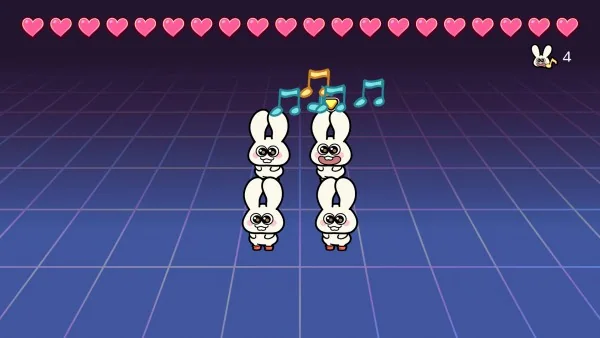
Think of the modes as different answers to the same question: how do you want to practice rhythm right now? Solo games teach compact patterns. Multiplayer turns those patterns into shared tension. Beatspell adds battle framing. Drum Lessons slow the pace down. The Toy Box and Cafe give players a place to poke around without treating every minute as a score chase.
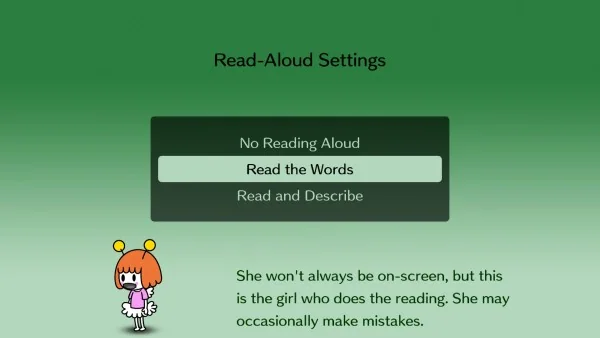
Nintendo UK also points to accessibility settings such as read-aloud text and timing calibration. For this series, those settings belong beside the mode list because they can change whether the input language feels fair.
Solo Rhythm Games
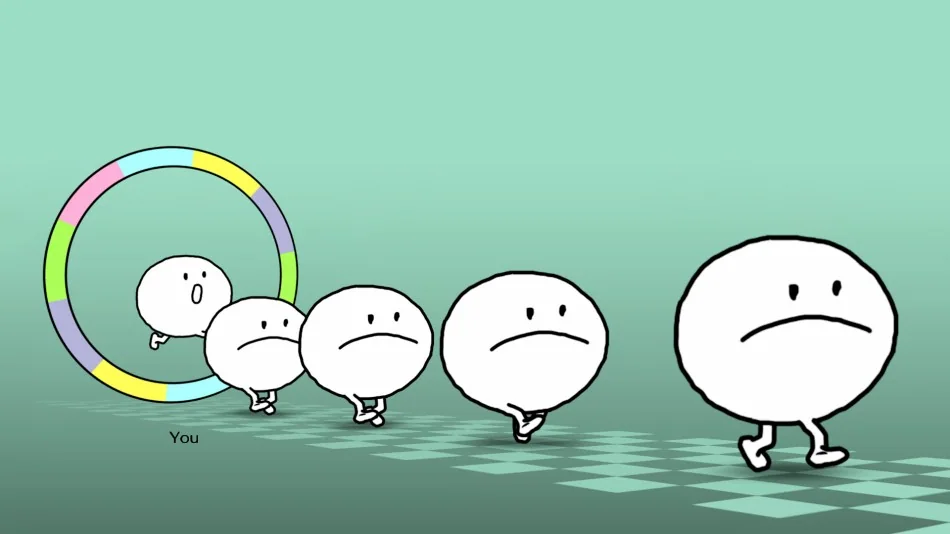
The main path is a broad run of short rhythm games. Each one teaches a compact input rule, then asks you to rely on the audio pattern while the scene becomes busier.
Multiplayer
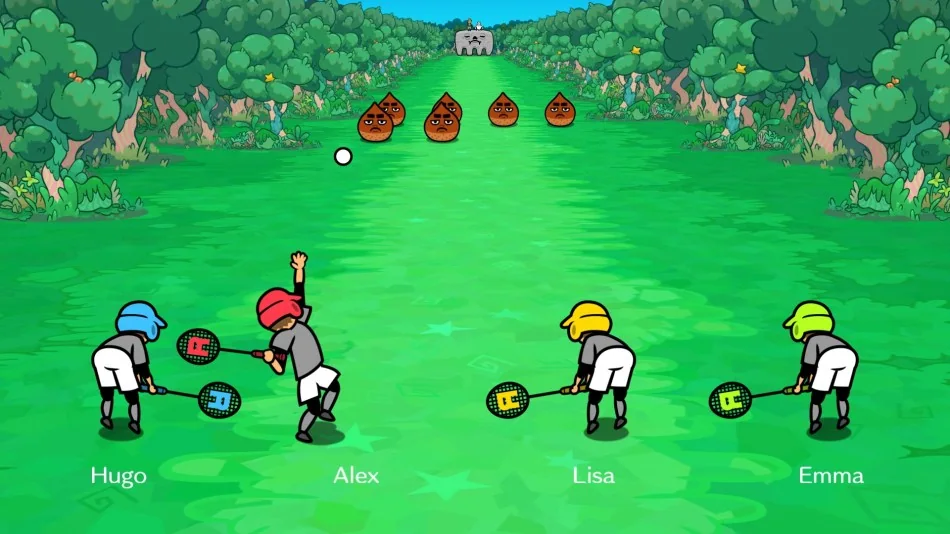
Up to four players can share one system for more than 30 co-op and competitive games. Some challenges ask the group to win together, while others test who can keep the cleanest timing.
Beatspell
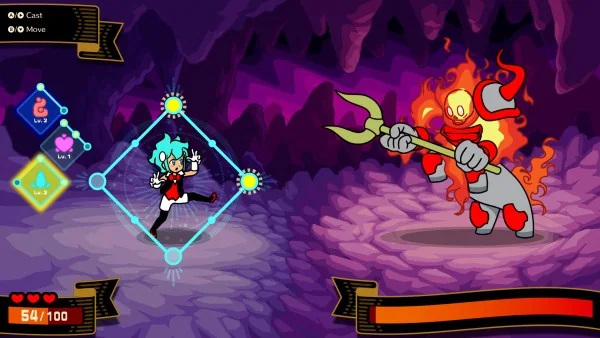
Beatspell unlocks through progress in the solo games. It turns button timing into spells for attacking, healing and handling rhythm-based monster fights.
Drum Lessons
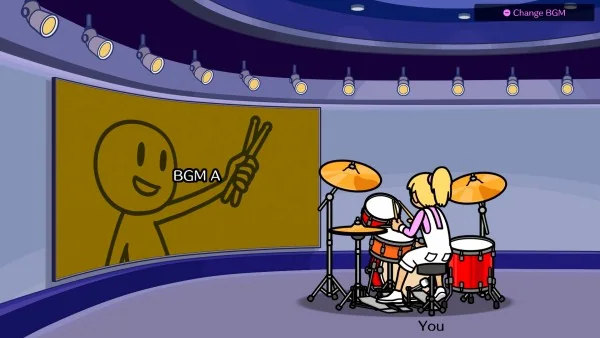
Drum Lessons let players practice kit parts with button controls. Guided lessons teach the basics, while Free Jam gives room to experiment outside a fixed challenge.
Rhythm Toy Box
The Rhythm Toy Box is built for experiments, loops and playful rhythm objects. It is the page to check when you want side activities rather than stage progression.
Cafe
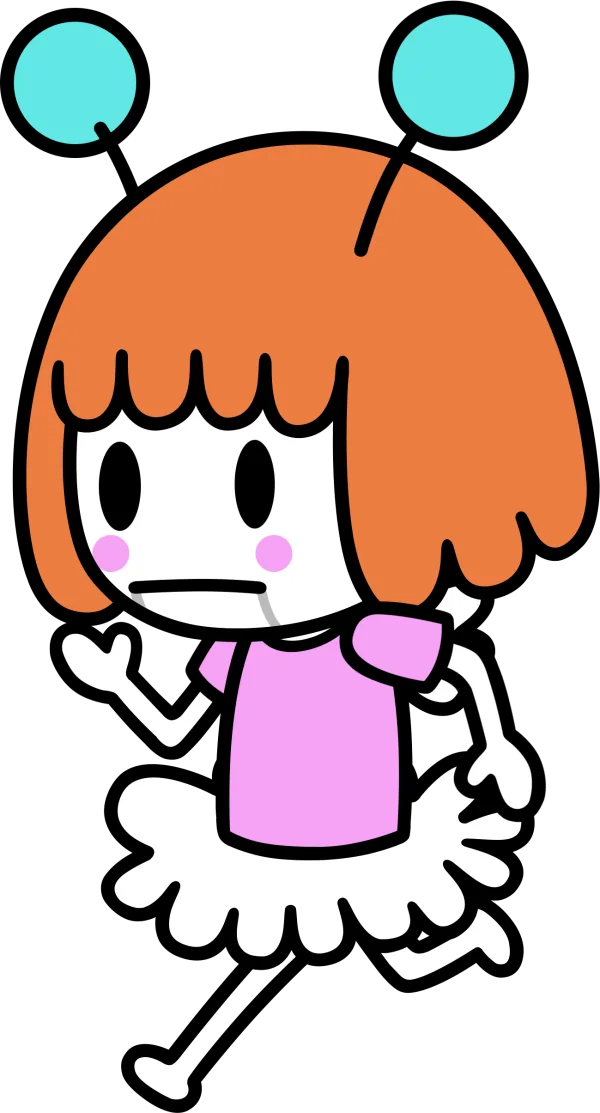
The Cafe gives the game a softer landing zone. Use it when you want a break from scoring pressure, secrets and rhythm side activities.
Accessibility and Calibration
Settings include read-aloud text from Li'l Miss Reeds and timing calibration for TV play. Use calibration before judging your rhythm if the display feels late.

Free Demo
The UK page describes a free demo with the first five solo rhythm games plus multiplayer tweezer timing. Demo progress can transfer to the full game.
How Beatspell fits the rhythm format
Beatspell unlocks as you progress, then turns rhythm inputs into spells. The official US page describes attack, healing and other spell effects, while the UK page frames the mode as a rhythm RPG where new chapters unlock as you earn medals in other solo rhythm games. That makes medals more than a score badge for players who want the side story.
Approach Beatspell with the same discipline as a normal rhythm game. The battle presentation can make it look like an RPG first, but the underlying skill is still button timing. Learn the rhythm attached to each spell, then decide when to cast it. If you try to read it as a menu-based RPG, you will react late.
The practical loop is simple: learn the spell phrase, watch what the monster is asking for, then choose the safest rhythm response. If you are missing spells, return to solo games for medals before treating Beatspell as the place to force progress.
Practice without burning out
Drum Lessons are valuable because they separate rhythm vocabulary from stage comedy. Each part of the kit can be played with button controls, and Free Jam gives you space to test timing without a success screen immediately grading the joke. Use lessons after a run where every stage feels noisy.
The Cafe and Toy Box serve a similar pacing role. A good rhythm session alternates pressure and play. If you only chase medals, fatigue can turn into late inputs. If you only poke around, you may never learn the stricter cues. Move between modes based on what failed: timing, reading, stamina or group coordination.
For younger or new players, this side content is also a better handoff point than a failed stage. Let them hear a drum part, toy with a loop, then return to the main path. That preserves the game as a music toy rather than turning it into a pass-fail exam.